Enhance Your Surroundings: The Power of Skilled Architectural Design Expertise
Professional architectural design services play an essential role in transforming spaces. These services merge practicality with visual appeal, guaranteeing that every project satisfies functional requirements and aesthetic expectations. Architects employ advanced techniques and sustainable practices, adapting their concepts to suit local expectations. Yet, numerous individuals fail to recognize how these offerings can unlock the full capabilities of their spaces. Examining the diverse benefits of working with an architect uncovers perspectives that could transform any environment.
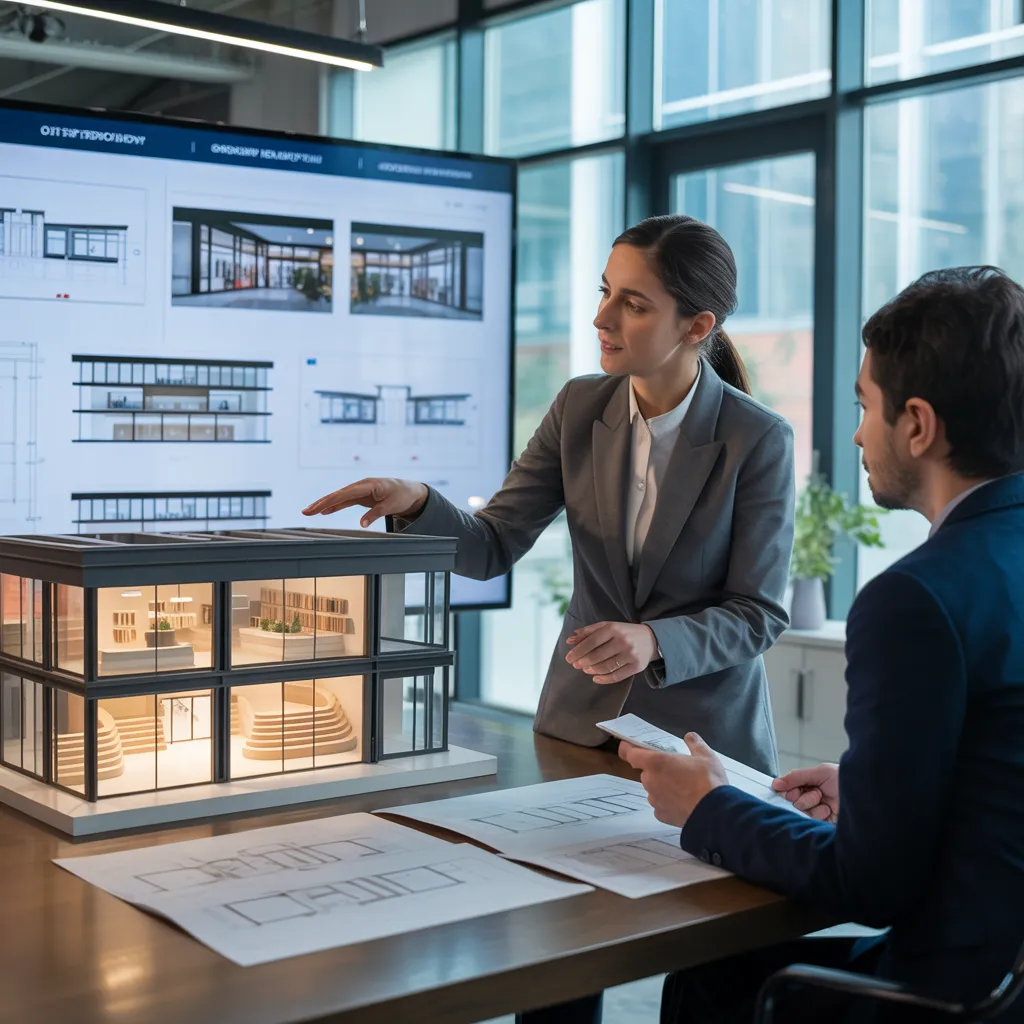
Exploring the Advantages of Expert Architectural Services
Uncovering the importance of professional architectural design is crucial for maximizing both practicality and visual appeal in any project. Professional architectural design goes beyond mere aesthetics; it unifies the principles of environmental sustainability, structural integrity, and space planning. By applying sophisticated approaches and a thorough understanding of materials, architects create spaces that are not only aesthetically impressive but also efficient and practical.
Moreover, skilled architects take into account the particular circumstances of each undertaking, including community needs, climate, and local regulations. This all-encompassing approach assures that the architectural design is not only innovative but also compatible with its environment. They utilize state-of-the-art technology, such as advanced 3D modeling, to offer clients a precise vision of the finished structure. In the end, opting for professional architectural design yields enduring advantages, elevating both the occupant experience and the long-term value of the property.
Primary Reasons to Hire an Architect for Your Design Project
Employing an architect for a building project offers a wide range of benefits that improve both the overall process and end result. Architects bring a wealth of expertise, ensuring that projects meet local regulations and building codes, which can prevent costly issues down the line. Their ability to develop comprehensive plans and specifications helps optimize the construction process, decreasing delays and misunderstandings among contractors.
Additionally, architects are proficient in project management, handling diverse aspects of all design and construction stages. This level of oversight confirms that deadlines and financial plans are maintained, offering clients confidence. Furthermore, architects can identify potential challenges in the initial stages of the design process, permitting proactive resolution of issues. Their familiarity with materials and construction methods can lead to innovative solutions that maximize efficiency and sustainability. Ultimately, working with an architect not only elevates the design project but also elevates the overall journey for clients.
Advancing Aesthetics and Functionality Through Architectural Mastery
Architectural expertise plays a fundamental role in improving both visual appeal and functionality in design projects. By applying creative design approaches, maximizing space utilization, and selecting sustainable materials, architectural professionals can craft environments that are visually appealing and practical. This approach not only meets client needs but also promotes environmental responsibility.
Creative Design Approaches
Cutting-edge architectural solutions transform spaces by effortlessly merging beauty with purpose. Skilled designers harness imaginative approaches to fulfill unique client expectations while boosting visual impact. By employing elements, tones, and shapes that complement the surroundings, designers create cohesive environments that capture distinctive styles. Cutting-edge technology, including 3D modeling and virtual reality, provides lifelike renderings, enabling clients to expert guide visualize concepts before implementation. Furthermore, embracing environmentally responsible strategies guarantees that designs not only look good but also contribute to environmental conservation. Through thoughtful evaluation of brightness, layout, and transitions, these methods optimize usability and foster a sense of well-being. At its core, visionary design encourages a distinctive harmony between function and artistry, uplifting the essence of modern living and workplace settings.
Space Optimization Techniques
Maximizing space involves deliberate planning and innovative design approaches that elevate both appearance and usability. Skilled architectural design professionals apply methods such as open floor plans, which remove redundant walls and promote a feeling of openness. Multi-purpose furnishings can be introduced to meet diverse needs, making certain that every square foot is maximized efficiently. Moreover, strategic arrangement of windows and mirrors can generate the impression of more spacious rooms, inviting natural light and boosting visual depth. Architects further evaluate circulation patterns, ensuring that movement through a space is both intuitive and efficient. By prioritizing these optimization techniques, designers convert spaces into well-balanced areas that not only seem inviting but also serve the everyday needs of those who use them.
Sustainable Material Choices
While prioritizing sustainability, architects are increasingly drawn to environmentally conscious materials that elevate both form and function. Utilizing materials such as bamboo, reclaimed wood, and recycled metal not only lessens environmental harm but also introduces unique charm to living spaces. Such selections foster a cohesive design aesthetic, blending seamlessly with natural surroundings. Additionally, incorporating materials like low-VOC paints and energy-efficient glass boosts air quality indoors and strengthens thermal efficiency, providing meaningful benefits to the health and comfort of those inside. By deliberately sourcing eco-friendly materials, architects craft beautiful settings that appeal to sustainability-minded clients. This methodology cultivates a more conscientious approach to architecture, showing that elegance and eco-consciousness can thrive together, while responding to the urgent call for green innovations in modern architecture.
The Way Technology Influences Contemporary Architectural Designs
Currently, a wide range of technological advancements greatly influences architectural design, transforming how structures are designed and built. Building Information Modeling (BIM) allows architects to create detailed 3D models, encouraging better teamwork among all parties involved and maintaining precision throughout the design process. Moreover, VR and AR technologies enable clients to interact with spaces before construction begins, leading to better-informed and more instinctive design decisions.
Sustainability has also been enhanced through technology, with energy analysis software enabling architects to refine building performance by simulating energy consumption and environmental impact. Moreover, cutting-edge materials and construction approaches, such as additive manufacturing and prefabrication, streamline the construction process, minimizing expenses and timelines. Robotics and drones are being more widely adopted for site surveys and assessments, supplying up-to-date information that boosts accuracy and on-site safety. Ultimately, technology serves to elevate creativity while ensuring that architectural solutions fulfill current expectations for efficiency and environmental responsibility.
Common Misconceptions About Architectural Services
A great number of people harbor false beliefs about architectural services, under the impression that they are unreasonably priced and that architects only focus on building design. This limited perspective fails to consider the wide variety of services architects provide, including planning and consultation. Addressing these false assumptions is essential for appreciating the true value of architectural expertise.
Why Architectural Services Are Pricey
The belief that architectural services are unreasonably priced often originates from misunderstandings about their importance and extent. A great number of clients equate high costs with a lack of affordability, failing to recognize the long-term advantages that professional design can provide. Architectural services involve more than just drafting plans; they involve extensive planning, regulatory compliance, and innovative problem-solving. By embracing these services, clients often cut costs in the long run through effective use of materials, reduced construction errors, and increased property value. In addition, the complexity of a project can greatly influence costs, making it crucial to understand that a well-planned design can lead to considerable monetary benefits. Ultimately, regarding architectural services as an investment rather than an expenditure can reshape perceptions and deepen understanding of their importance.
Architects Exclusively Design Buildings
A common misconception is that architects solely focus on designing buildings. In truth, their knowledge and skills reach well beyond simple construction. Architects engage in city planning, landscape design, and interior spaces, creating cohesion among multiple elements. They collaborate with clients to create functional environments that enhance quality of life. Additionally, architects engage in sustainability efforts, integrating eco-friendly practices into their designs. They frequently contribute to public areas, parks, and neighborhood initiatives, meeting community requirements and enhancing city infrastructure. Moreover, architects provide valuable insights during renovation and restoration projects, preserving historical significance while adapting to modern needs. This multifaceted role showcases their importance in shaping not just buildings, but entire communities and environments.
Picking the Ideal Architect for Your Design Vision
How does one confirm that the selected architect suits their particular design goals? Finding the right architect requires careful consideration of a number of key elements. First, looking through an architect's portfolio can provide insight into their design style and expertise. This approach enables future clients evaluate whether the architect's earlier designs aligns with their own aesthetic preferences.
Additionally, strong communication plays a key role. Participating in early discussions allows clients to express their ideas and expectations clearly. An architect's skill in listening carefully and responding meaningfully demonstrates their devotion to comprehending the client's expectations.
Additionally, checking references and client testimonials can highlight the architect's reliability and professionalism. It is important to verify that the architect has expertise applicable to the project's specific requirements, whether commercial or residential. Conclusively, a carefully selected architect can transform a vision into reality, making the choice of architect essential for ensuring successful architectural achievements.
Achievements in Architectural Design
Bringing ideas to life, successful architectural design stories highlight the remarkable impact of deliberate planning and artistic execution. A standout example is the transformation of a century-old warehouse into a vibrant community center. Skilled architects thoughtfully maintained historic structural details while integrating modern amenities, creating an environment that encourages interaction and community involvement.
An additional noteworthy case highlighted a green residential development that utilized green materials and forward-thinking design strategies. This method not only lowered emissions but also fostered a well-integrated residential environment, defining a new standard for future construction.
Across urban settings, the reimagining of overlooked locations into green parks demonstrates how purposeful architectural vision can strengthen the fabric of local communities. Every project embodies a commitment to enhancing functionality and aesthetics, proving how professional architectural services can transform environments and enrich daily living. These successes serve as a demonstration of the transformative power of architecture in shaping environments for future generations.
Questions We Often Receive
What Qualifications Should I Consider When Choosing an Architect?
When seeking an architect, one should prioritize qualifications such as an applicable degree, professional licensure, portfolio diversity, strong communication skills, and expertise in the specific project type to secure efficient teamwork and positive outcomes.
How Much Time Does the Architectural Design Process Usually Take?
The architecture design workflow usually spans three to six months on average, based on the complexity of the project, client needs, and regulatory approvals. Strong communication and teamwork may shorten this timeframe, ensuring timely delivery of the final design.
What Are the Expenses Involved in Hiring an Architect?
The fees involved in employing an architect usually span from 5% to 15% of the total project budget, based on the complexity and scope. Extra charges may occur for consultations, revisions, and specialized services during the design process.
Do Architects Provide Help With Permits and Zoning Regulations?
Certainly, architects can aid in navigating permits and zoning regulations. Their professional expertise assures adherence to local regulations, making the application process more efficient and decreasing the likelihood of delays, ultimately facilitating the successful realization of a project.
How Can I Communicate My Vision Effectively to an Architect?
To interact successfully with an architect, one should prepare visual aids, clearly express specific requirements, talk through design preferences, and remain open to suggestions. Clarity and collaboration foster a productive dialogue, making certain that ideas are in harmony with the architect's skills.
Upgrade